
There is inconsistency in multiple jurisdictions in the region, both in the different legal systems that protect trademark rights and in the way in which these are reported to the client.
For example, while in Brazil and Uruguay the cancellation action is presented in the fifth year since the brand has not been used, in other countries in the region the cancellation action is actionable from the third year.
Our network of associates throughout Latin America and our years of experience litigating in all of these jurisdictions allow us to strategically advise our clients of what actions should be followed in a systematic and coordinated manner.
In preparing the Report, a key objective of the trade policy is to assure that holders of intellectual property in the United States of America may have the opportunity to use and fully obtain due returns form the use of their IP around the world.
To provide some perspective on the level of brand piracy throughout Latin America, we cite Special Report 301 of 2020 (the Report ), which is the result of an annual review of the state of intellectual property protection and enforcement in U.S. trading partners around the world, led by the Office of the United States Trade Representative (USTR).
The Special 301 Report identifies trading partners that do not adequately or effectively protect and enforce intellectual property (IP) rights or otherwise deny market access to U.S. innovators and creators that rely on protection of their IP rights.
Trading partners that currently present the most significant concerns regarding IP rights are placed on the Priority Watch List or Watch List.
The surveillance of the market by the USTR allows citizens to know which outlets sell legal or forged products.
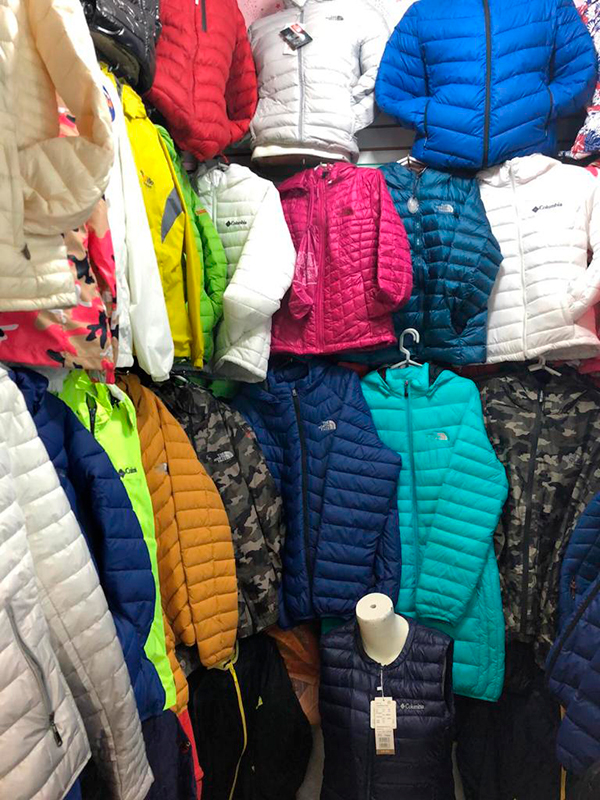
In February of 2022, the USTR removed from the list of suspect outlets the Ecuadorean Bahia Market in Guayaquil and Peruvian Polvos Azules in Lima, acknowledging the efforts in the fight against forgeries that take place in Thailand, Brazil and the United Arab Emirates.
Recall, forged products may contain health risks and security hazards for the consumers. If they are manufactured under substandard conditions, they may cause more COVID-19 infection.